ACCU Credits · Scope 1 Abatement · ERF Methodology
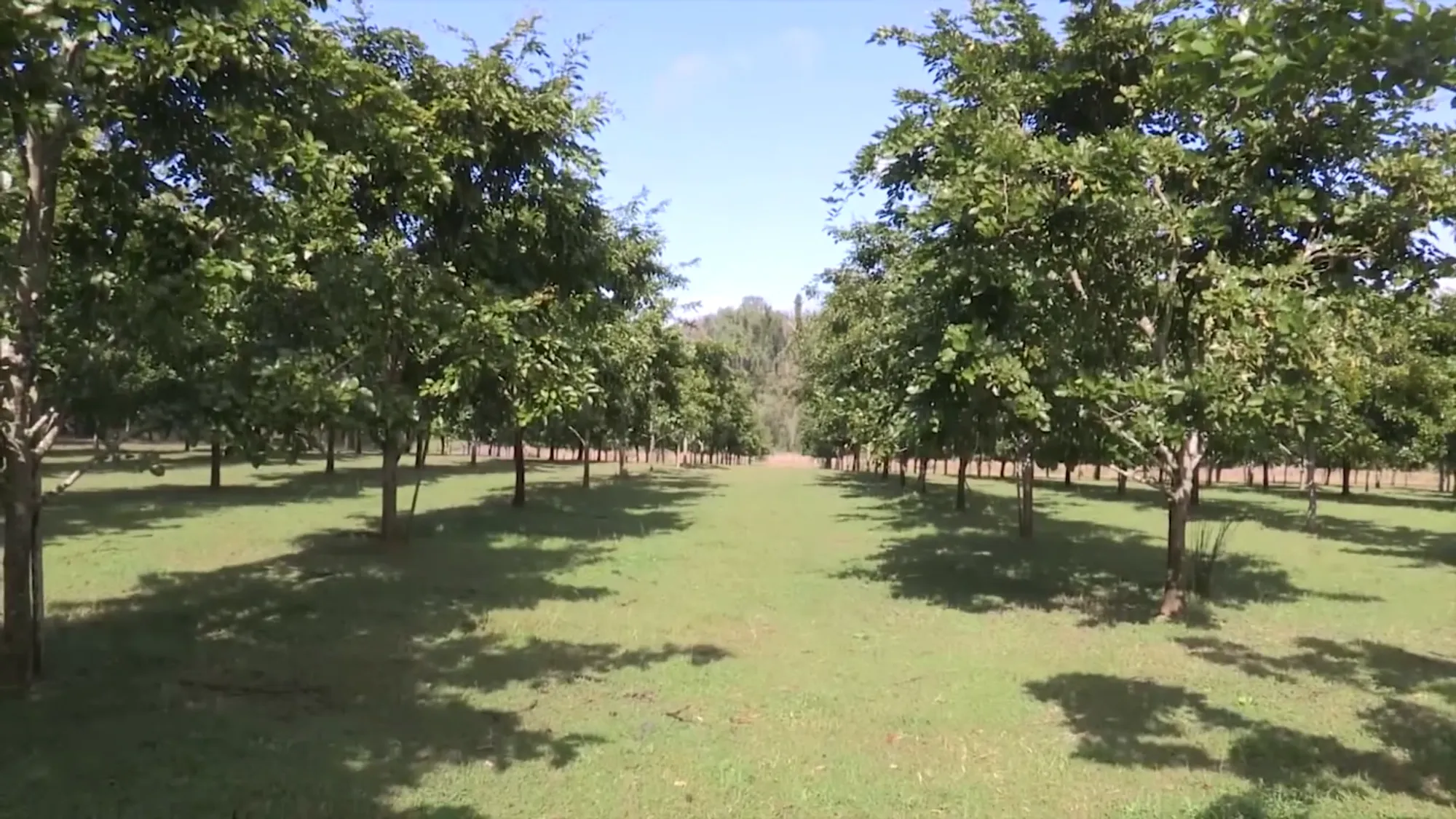
The Pongamia plantation that produces PD100™ fuel simultaneously generates ACCU sequestration credits from Year 1. No other Australian fuel pathway combines both levers in a single supply relationship.
The Closed-Loop Carbon Cycle
The fundamental distinction between mineral diesel and PD100™ is the carbon cycle. Mineral diesel releases carbon sequestered geologically for millions of years. PD100™ operates within the contemporary biological carbon cycle — CO₂ absorbed by the growing tree is returned to the atmosphere on combustion, where it began. Net addition to the atmosphere: zero.
Pongamia trees draw atmospheric CO₂ into biomass — generating ACCU credits and building soil organic matter from Year 1 of planting.
Annual seed pod harvest yields oil refined into PD100™ — the tree continues growing and sequestering carbon. Harvest does not interrupt carbon accumulation in woody biomass.
The CO₂ released on combustion is the same carbon the tree removed from the atmosphere. Under NGER, biogenic CO₂ is reported separately and does not contribute to Scope 1 fossil totals.
Press cake from oil extraction is a protein-rich soil amendment. Nitrogen fixation by Pongamia roots continuously improves land fertility — reducing synthetic fertiliser inputs.
The Dual-Credit Structure
No other fuel pathway currently available in Australia combines direct Scope 1 fuel abatement with sequestration ACCU generation from the same supply relationship.
Substituting PD100™ for mineral diesel removes fossil CO₂ from your NGER Scope 1 fossil total. Biogenic CO₂ is reported separately and does not count against your Safeguard baseline. Every litre of PD100™ burned displaces approximately 2.65 kg of fossil Scope 1 CO₂.
The Pongamia plantation supplying PD100™ simultaneously generates ACCU sequestration credits under the ERF. These can be surrendered against Safeguard obligations, sold on the secondary ACCU market at prevailing prices (~$35/t indicative), or retained for voluntary net zero positions.
NGER & Safeguard Reporting
| Reporting Element | Mineral Diesel | PD100™ Pongamia PPO |
|---|---|---|
| Combustion CO₂ classification | Fossil — counts as Scope 1 | Biogenic — reported separately, not Scope 1 fossil |
| NGER reporting obligation | Included in facility Scope 1 total | Biogenic CO₂ reported in separate NGER category |
| Safeguard baseline impact | Counts against declining baseline | Does not contribute to Safeguard baseline |
| ACCU generation | None | Plantation generates sequestration ACCUs from Year 1 |
| Guarantee of Origin traceability | Not applicable | GO Scheme documentation provided per consignment |
| Supply chain documentation | Standard fuel docket | Origin certificate + NGER reporting data per batch |
Fuel origin certificate · Feedstock traceability records · Biogenic CO₂ factor for NGER reporting · GO Scheme documentation · Batch quality certificate (DIN 51605) · Plantation ACCU project reference number
GBA provides site-specific carbon modelling using your actual fuel consumption data, Safeguard baseline, and current ACCU pricing — no obligation.